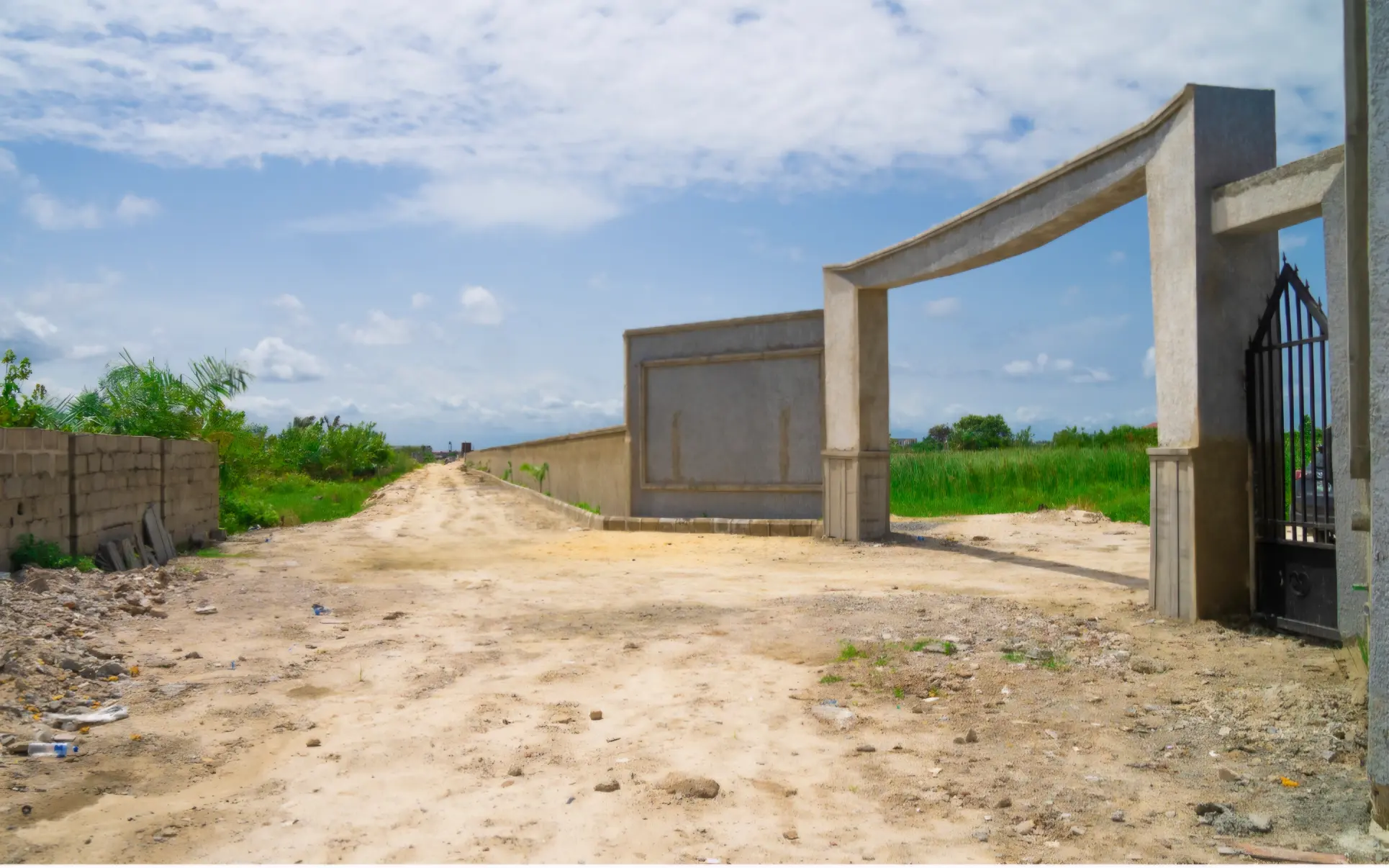

Nigeria’s real estate sector is entering another significant phase of growth. According to recent market projections, the industry is expected to grow from approximately $29.2 billion in 2024 to $40 billion by 2030, representing a compound annual growth rate of about 4.5 per cent.
This projected expansion reflects the rising demand for housing, commercial properties and supporting infrastructure across the country. It also sends a clear message to investors: Nigeria’s real estate market continues to offer strong opportunities, but success will depend on making informed and strategic decisions.
What Is Driving the Projected Growth?
Nigeria’s expanding population and rapid urbanisation are increasing the demand for housing in major cities and emerging communities.
As more people relocate in search of employment, education and improved living conditions, the need for residential properties, commercial spaces and essential infrastructure will continue to rise.
Infrastructure development is another major factor. New roads, rail networks, commercial centres and industrial projects often improve accessibility and attract residents and businesses to previously overlooked locations.
Technology, sustainable construction practices and smart-city solutions are also influencing how properties are designed, marketed and managed.
What Investors Should Learn
The projected growth suggests that the years leading up to 2030 could present valuable opportunities for investors who position themselves early.
Investing before an area becomes fully developed can provide access to properties at more affordable prices. As infrastructure, commercial activities and population increase, property values may appreciate significantly.
However, early investment should never mean careless investment. Investors must inspect properties, verify documents and understand the development potential of every location before making payment.
Emerging Locations Deserve Attention
Established neighbourhoods are attractive because they already have infrastructure, businesses and essential services. However, property prices in such locations may already be high.
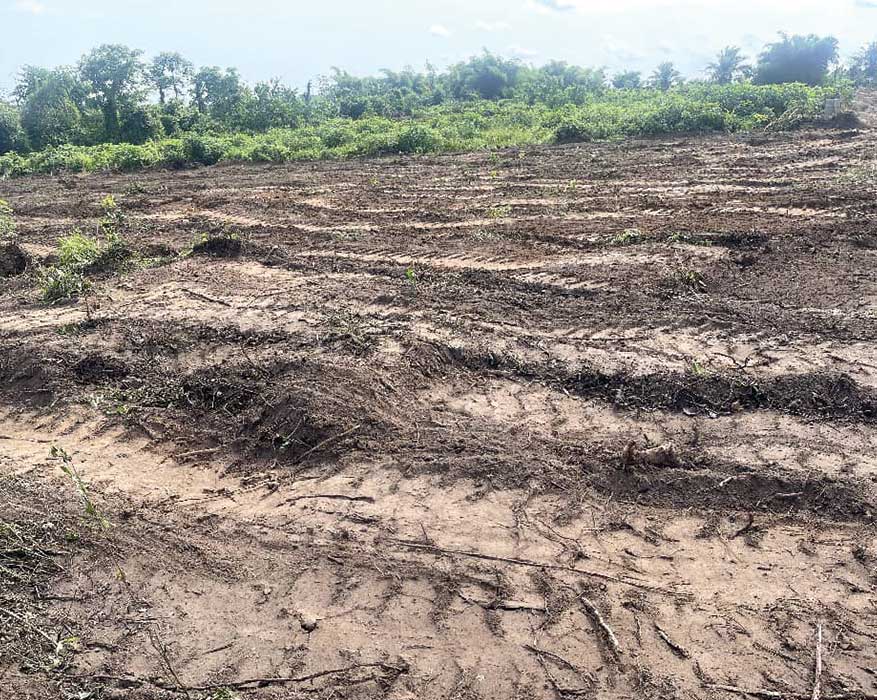
Emerging areas situated close to proposed roads, commercial developments, industrial centres and growing residential communities may offer stronger prospects for long-term appreciation.
Investors should examine accessibility, population movement, government development plans and ongoing private-sector projects before selecting a location.
Land Banking Remains a Strong Long-Term Strategy
Land banking involves purchasing property in an emerging area and holding it while development, infrastructure and economic activities increase around it.
This strategy may be suitable for investors who are prepared to wait for long-term appreciation rather than immediate rental income.
However, investors must confirm the property’s title, boundaries, permitted use and development prospects before buying.
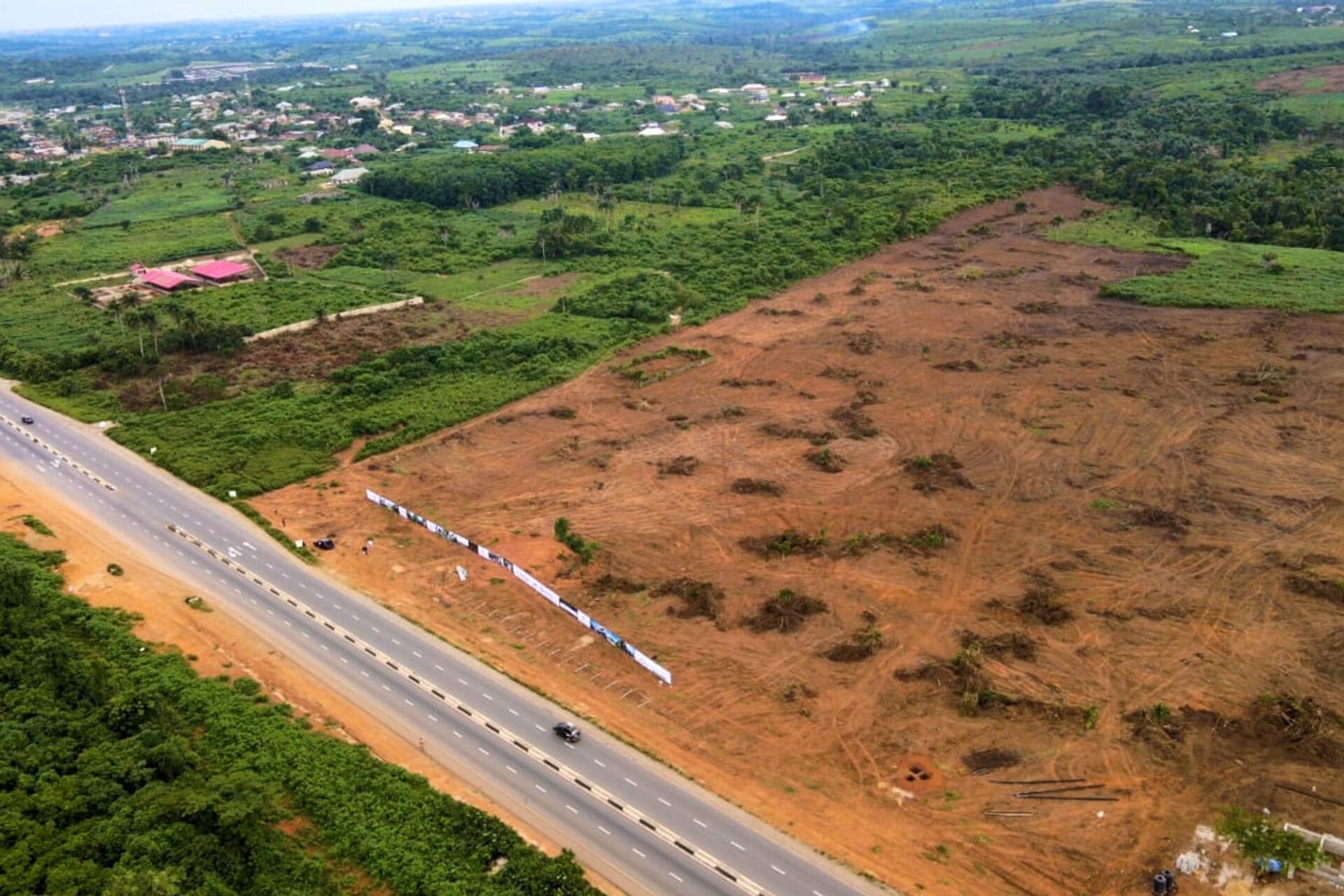
Infrastructure Will Continue to Influence Property Values
Roads, drainage systems, electricity, security, schools, hospitals and commercial centres can significantly improve the desirability and value of a location.
Investors should therefore consider what is happening around a property, not just the property itself. A well-positioned property connected to major economic activities may offer better long-term prospects than a cheaper property in an inaccessible area without a clear development plan.
Affordability Will Remain Important
Although housing demand is high, many Nigerians still face affordability and financing challenges.
Developers that offer flexible payment plans, different plot sizes and affordable housing options will be better positioned to meet the needs of a broader market.
For investors, this means focusing on properties that meet genuine housing and commercial needs rather than relying solely on luxury developments.
The Role BlueDutch Is Playing
BlueDutch is contributing to the growth of Nigeria’s real estate sector by providing investors with access to strategically located properties across Lagos, Ogun and Edo states.
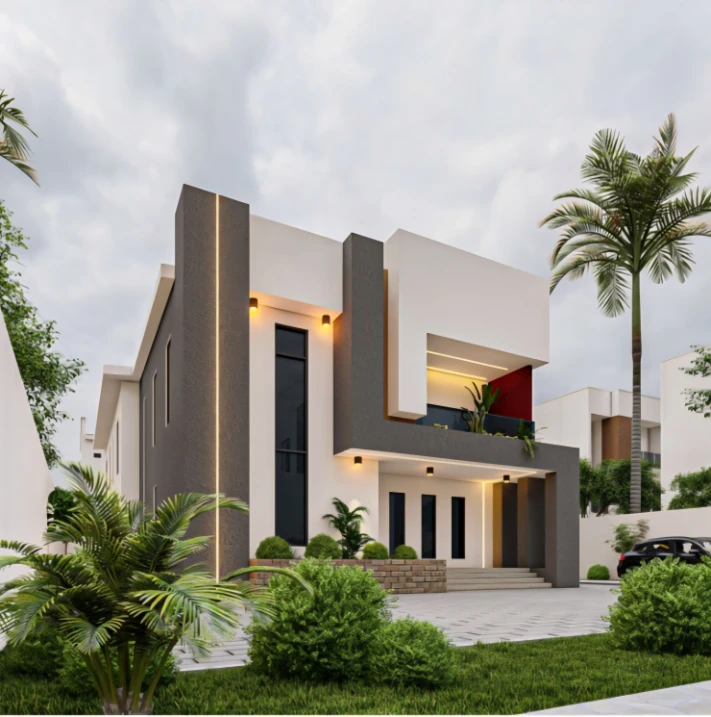
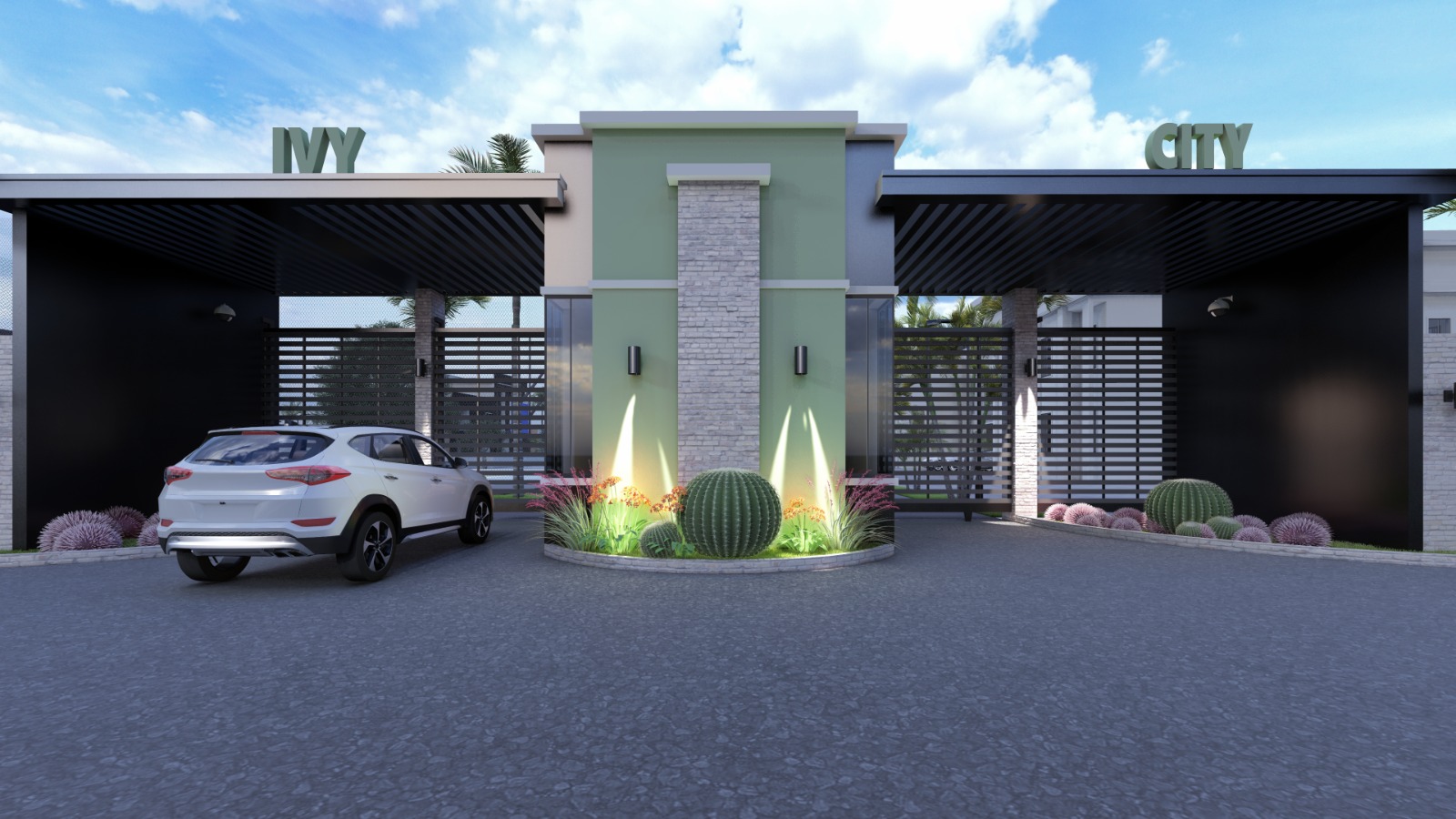
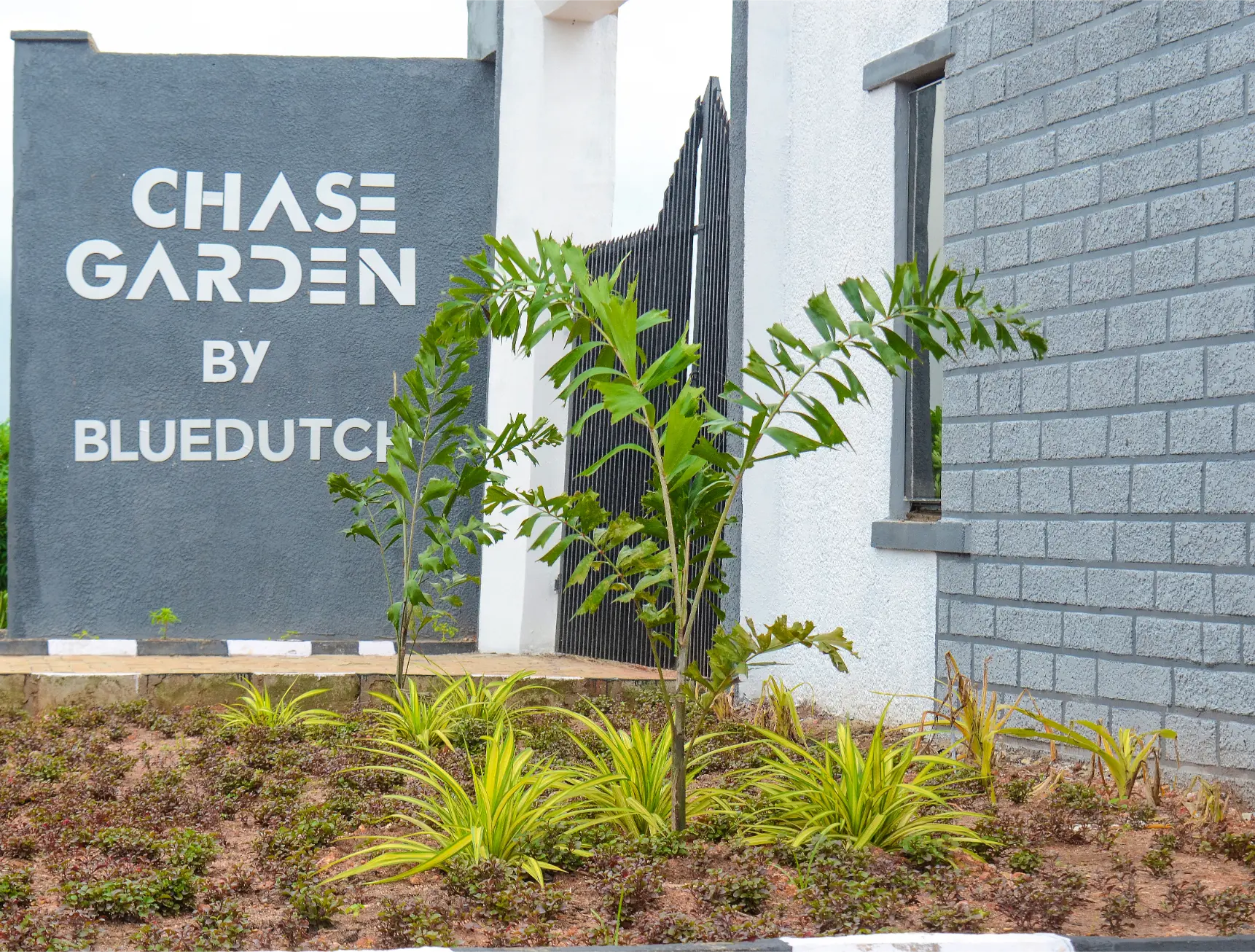
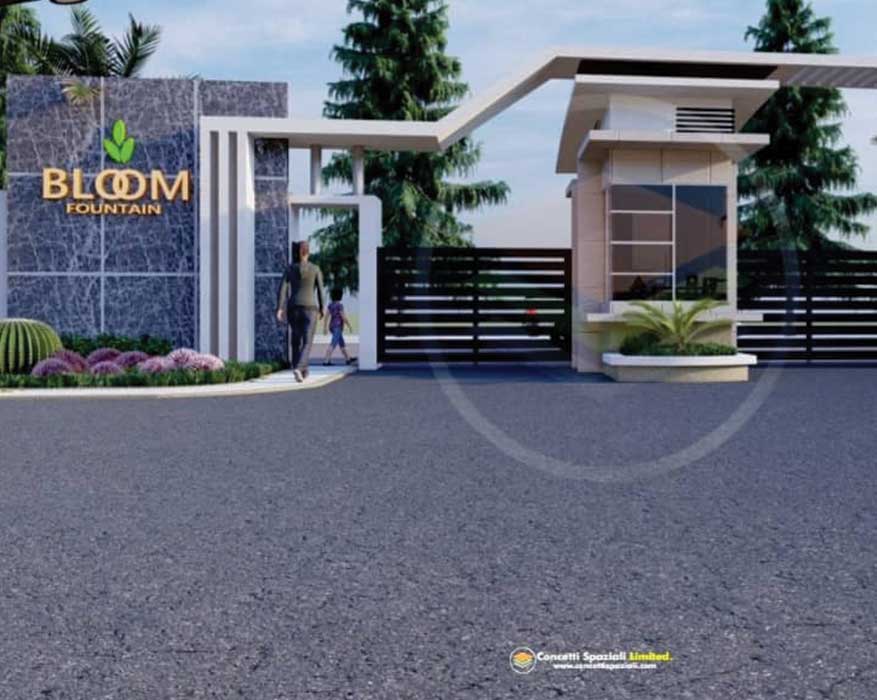
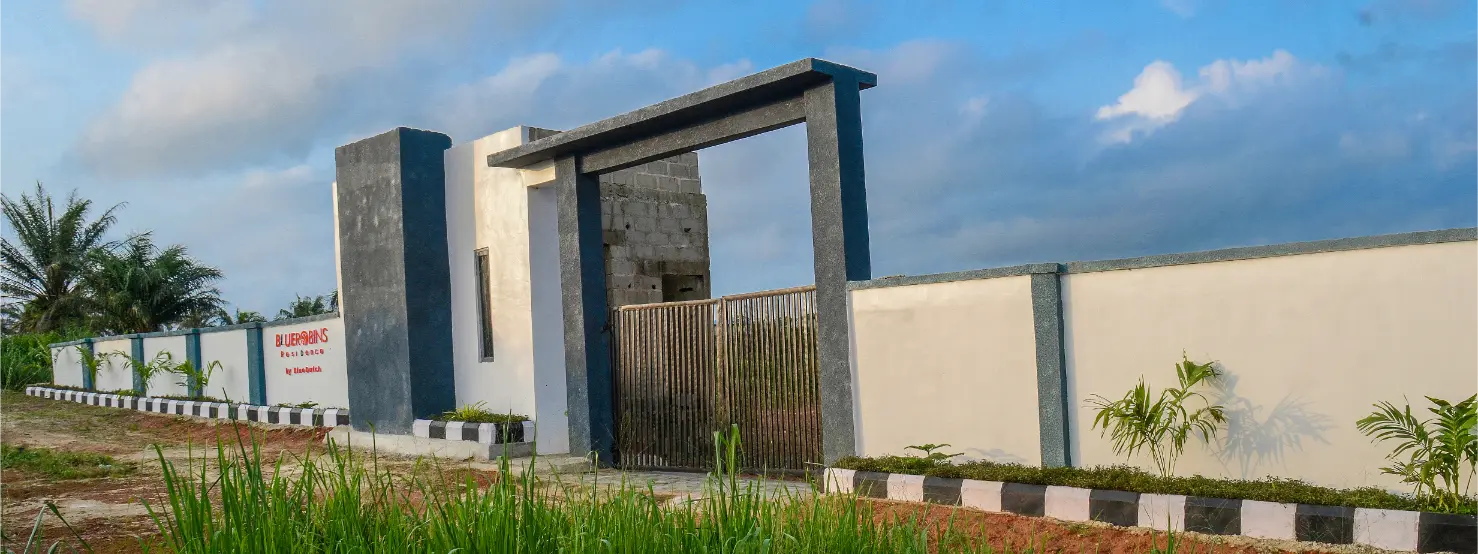
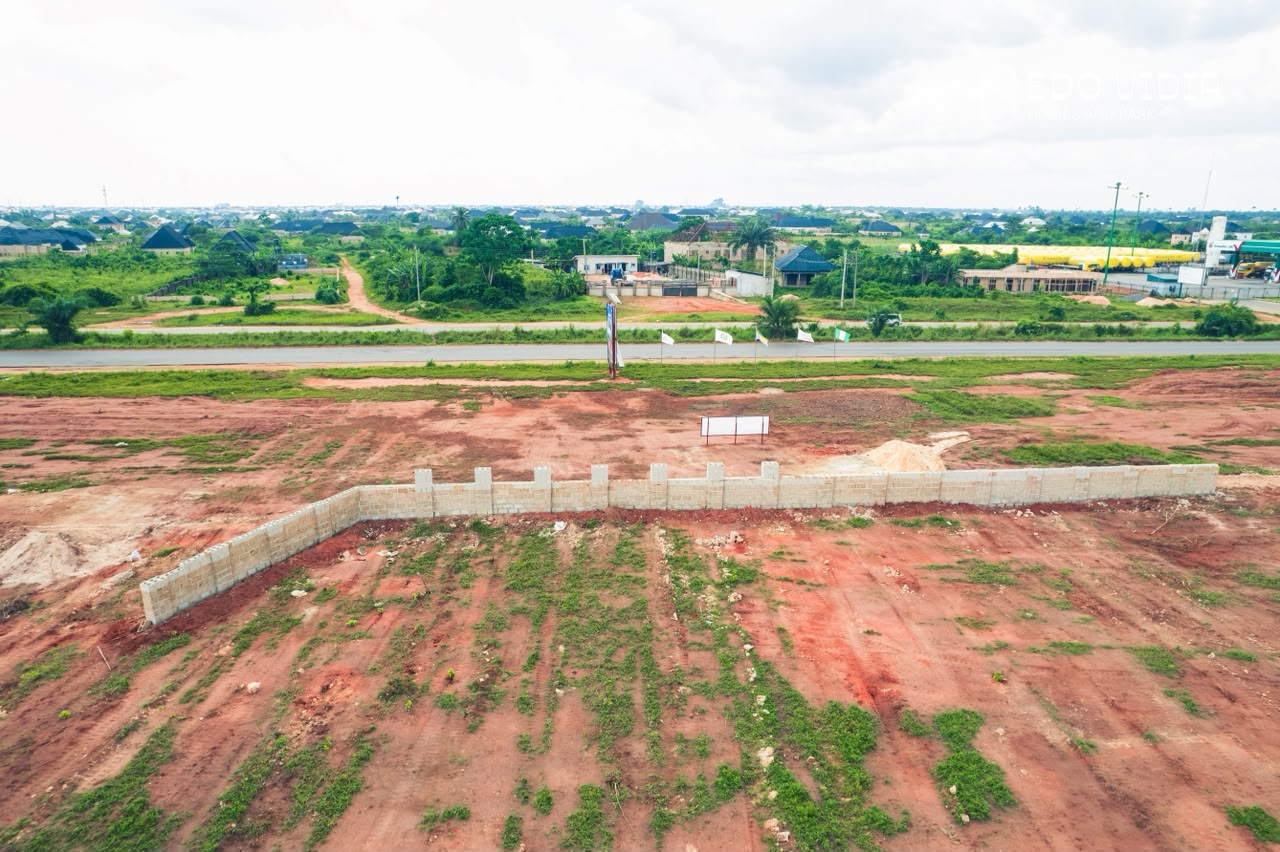
Through developments such as Edo Vidia Homes and Park in Benin City, Bloom Fountain, Chase Garden, Ivy City and other estates, BlueDutch is opening investment opportunities in both established and emerging locations.
The company’s approach goes beyond selling land. BlueDutch emphasizes property documentation, physical inspections, prompt allocation and visible estate development, helping clients make more confident investment decisions.